

The Concept of Luck in Games of Chance
Luck is often perceived as a mysterious force that impacts the outcomes of events, particularly in games of chance. These games are inherently unpredictable, relying on factors such as randomness and chance. This leads to a compelling inquiry: can luck be quantified? While the concept of luck itself is intangible, it can be examined through statistical probabilities and the analysis of outcomes. For instance, consider the game of roulette; despite each spin being an independent event, players frequently identify trends or patterns in their wins and losses, interpreting specific spins as ‘lucky’ based on their experiences and trying their luck at an online casino that accept neosurf to see if fortune favors them.
The psychological implications of luck are also significant. Many players tend to credit their victories to luck while attributing their losses to bad luck, highlighting a cognitive bias known as the ‘illusion of control.’ This perception can significantly shape their strategies and behaviors during gameplay. For example, a player who wins consecutively may feel compelled to raise their bets due to a perceived fortunate streak, even though each round’s outcome is statistically independent and based solely on chance. This tendency illustrates how belief in luck can lead to misguided decisions, often clouding rational judgment and influencing betting patterns.
Cultural perceptions of luck further complicate its measurement in gaming contexts. Different societies possess unique beliefs about luck, which can influence how individuals engage with gambling. In some cultures, specific numbers or symbols are considered lucky and are frequently utilized by players to enhance their chances. This variability in belief and practice demonstrates that while luck is often recognized universally, its interpretation and significance can differ widely among cultures. Such subjectivity introduces challenges when attempting to consistently measure luck across diverse games and player backgrounds, as cultural beliefs may create a unique lens through which luck is viewed.
The Role of Probability and Odds
To fully grasp the dynamics of luck in games of chance, one must understand the foundational principles of probability and odds. These mathematical concepts serve as critical tools in analyzing games such as poker, blackjack, and slots. Probability provides an estimate for the likelihood of specific outcomes occurring, while odds represent the ratio of favorable outcomes to unfavorable ones. This mathematical framework offers players a more objective understanding of what is often attributed to luck. For example, in poker, knowledge of the odds associated with drawing certain hands can inform a player’s strategy, despite the inherent element of luck involved in the card dealing process.
However, many players neglect the importance of probability, often choosing to focus on their perceived luck instead. Such misinterpretations can create a disconnect between actual probabilities and players’ expectations, leading them to believe that luck can dramatically alter expected outcomes. By embracing a deeper understanding of probability, players can cultivate a more strategic mindset, recognizing that luck and skill are intertwined rather than mutually exclusive. This perspective can enhance their overall gaming experience and outcomes, as understanding the odds allows for more informed decisions, reducing reliance on luck alone.
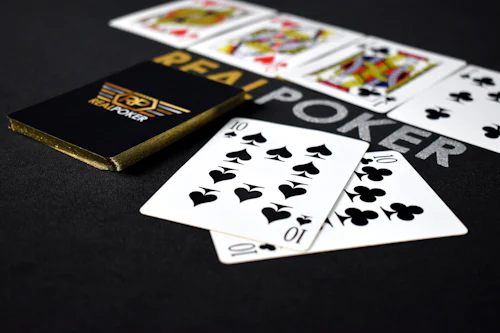
In games that incorporate significant skill components, the relationship between luck and strategy becomes increasingly intricate. For instance, in blackjack, while the initial card dealt is random, players can utilize strategies like card counting to minimize the randomness of luck. This intertwining of skill and luck exemplifies the notion that while luck can lead to immediate wins, mastering the underlying probabilities can yield sustained success over time. Therefore, while luck plays a role, it is essential to acknowledge that skill and informed decision-making are equally crucial factors in games of chance, allowing players to navigate outcomes more effectively.
Psychological Impacts of Believing in Luck
The belief in luck can deeply influence a player’s psychology and gameplay strategies. Those who consider themselves ‘lucky’ often exhibit increased confidence, which may lead to more aggressive betting strategies and risk-taking behaviors. This boost in confidence can serve as a double-edged sword; while it can encourage players to engage in calculated risks, it may also result in overconfidence, blinding players to the reality of odds and probabilities. Consequently, their performance may not align with their elevated expectations, potentially leading to significant losses and a distorted perception of their skills.
In contrast, players who perceive themselves as unlucky may approach games with anxiety and caution, which can detrimentally affect their performance. Fearing repeated failure might cause them to avoid necessary risks, leading to suboptimal decision-making. This psychological barrier can create a self-fulfilling prophecy, wherein the belief in bad luck directly contributes to poor gameplay choices. Understanding these psychological dynamics is vital for players who wish to enhance their experience and outcomes in games of chance, as recognizing the role of mindset can empower them to make more balanced decisions.
Furthermore, adopting a balanced perspective on luck can improve overall enjoyment and diminish the stress often associated with gambling. Players who acknowledge the impact of luck while also recognizing the importance of skill and strategy are more likely to participate in gaming for enjoyment rather than solely for financial gain. This healthy approach fosters a more enjoyable experience, promoting responsible gaming practices and minimizing the risk of developing problematic gambling behaviors. Ultimately, understanding the psychological aspects of luck can lead to more thoughtful and enjoyable gaming experiences.
Luck vs. Skill: Can They Coexist?
The ongoing debate regarding luck and skill in games of chance raises a pivotal question: can these two elements coexist harmoniously? In numerous contexts, the answer is a definitive yes. While luck may dictate individual game outcomes, skill can profoundly impact long-term success. Card games illustrate this relationship well; strategic thinking and informed decision-making can help players navigate the randomness inherent in such games. Through practice and experience, players can refine their skills, enhancing their chances of success even in scenarios dominated by luck.

This coexistence is especially evident in competitive gaming environments, where players must adapt to unpredictable elements while employing strategic techniques. In tournament settings, for example, players often face unexpected behaviors from opponents or unforeseen game developments, necessitating a blend of luck and skill for successful navigation. The most successful players tend to be those who demonstrate adaptability and critical thinking, regardless of the influence of luck on individual outcomes. This adaptability can be the key to maintaining a competitive edge in various gaming scenarios.
Ultimately, a nuanced understanding of the interplay between luck and skill can enrich a player’s appreciation for games of chance. Recognizing that while luck may temporarily govern outcomes, the development of skills can lead to more consistent performance encourages players to invest time in honing their strategies. This mindset not only enhances the enjoyment of the games but also promotes a sense of challenge, inviting players to engage with games for the sheer thrill of mastering complex systems of chance and skill. Embracing both elements allows players to appreciate the full spectrum of gaming experiences available to them.
Exploring More About Games of Chance
For those eager to explore the fascinating realm of games of chance, a wealth of resources and platforms are available to provide insights, strategies, and community interactions. These resources often offer valuable educational content—ranging from guides on probability and strategy to discussions about the psychological aspects of gambling—enriching one’s comprehension of how luck and skill interact. Engaging with like-minded communities can also enhance the gaming experience, allowing players to share personal anecdotes and strategies that can lead to improved gameplay.
Moreover, keeping abreast of the latest trends and developments in the gaming industry can add another layer of enjoyment and knowledge. Whether learning about new game mechanics, understanding regulatory changes across different regions, or discovering innovations in the online gaming landscape, adopting a continuous learning mindset can significantly elevate the overall experience and knowledge base. This exploration fosters a more analytical approach and a greater appreciation for the complexities involved in games of chance, enabling players to navigate their gaming journeys with increased confidence.
Ultimately, the world of games of chance is expansive and diverse, offering countless opportunities for players to engage, learn, and develop their skills. By understanding the dynamics of luck and its relationship to probability and skill, players can navigate this thrilling domain with confidence, whether participating casually or in a competitive setting. Embracing this journey allows the excitement of chance to enhance gaming adventures, creating memorable experiences along the way. Engaging in this exploration can lead to a deeper understanding of the game’s intricacies and an appreciation for the balance of luck and skill that defines them.